
Category: Security

  • How to Deal with a Wrong Transaction or File a Complaint for Fraud Transaction

    How to Deal with a Wrong Transaction or File a Complaint for Fraud Transaction

    In today’s digital age, where most financial dealings are done online, Wrong transaction and frauds have become increasingly common. A simple error in entering account numbers or a malicious link can lead to unintended money transfers or, worse, financial scams. Whether you’ve sent money to the wrong person or been tricked into sending funds to a fraudster, taking quick and informed steps is crucial.

    This article will guide you through what to do in case of a wrong or fraudulent transaction, how to lodge a complaint, and preventive measures to secure your money online.


    Common Scenarios of Wrong or Fraud Transactions

    Before we dive into the solution, let’s identify the common types of wrong or fraudulent transactions:

    • Wrong UPI Transaction: Sending money to an incorrect UPI ID or mobile number.
    • Bank Transfer Mistake: Typing the wrong account number or IFSC code during NEFT/IMPS/RTGS transfers.
    • Scam or Phishing: Clicking on fake links or being lured by fraudulent messages to send money.
    • Fraudulent App Transactions: Fake apps mimicking banking or e-wallet platforms.
    • Card Frauds: Unauthorized debit or credit card usage.

    Each of these situations needs slightly different approaches, but the goal is the same — act fast and report immediately.


    What to Do Immediately After a Wrong Transaction

    1. Contact Your Bank or Payment Service Provider
      • Call the customer care number of your bank or UPI app (like Google Pay, PhonePe, Paytm, etc.).
      • Inform them of the wrong or suspicious transaction.
      • Share transaction details such as the amount, time, and reference number.
    2. Raise a Dispute
      • For UPI-based platforms, open the transaction in the app and select “Raise a Dispute.”
      • For debit/credit card issues, file a dispute through your bank’s net banking or mobile app.
    3. Inform the Recipient Bank
      • If you sent money to the wrong account, contact the recipient’s bank to request a reversal.
      • Often, the reversal depends on the consent of the recipient unless fraud is proven.
    4. File a Complaint for Fraud Transaction
      • Visit the National Cyber Crime Reporting Portal: https://cybercrime.gov.in.
      • Lodge a complaint with all transaction details and screenshots.
      • You can also call the cyber crime helpline at 1930 for immediate assistance.
    5. Visit the Nearest Police Station (if required)
      • For large amounts or serious fraud, file an FIR under cybercrime or financial fraud.

    It’s important to note that banks and apps have a limited window to reverse payments. The faster you report, the higher the chances of recovery.


    How to Lodge a Complaint the Right Way

    If your money is involved in a fraud case, documenting everything is vital. When submitting your complaint for fraud transaction, include the following:

    • Your name and contact details.
    • Date and time of the transaction.
    • Transaction ID/reference number.
    • Mode of transaction (UPI, net banking, etc.).
    • Screenshot of the transaction and messages (if any).
    • Brief explanation of how the fraud occurred.

    Submit this via the cybercrime portal or your bank’s grievance redressal channel.


    Preventive Tips to Avoid Wrong or Fraud Transactions

    • Always double-check account numbers and UPI IDs before transferring money.
    • Don’t share OTPs or PINs with anyone, even if they claim to be from your bank.
    • Avoid clicking on unknown links sent via SMS, WhatsApp, or email.
    • Install antivirus and security software on your phone and computer.
    • Use official apps only from verified sources like Google Play Store or Apple App Store.
    • Enable transaction alerts via SMS and email for every debit/credit activity.

    Final Words

    In the age of convenience, one tap can move your hard-earned money — to the right person or the wrong one. Awareness and prompt action are your best weapons. If you’ve faced a wrong transaction, don’t panic. Follow the right process, lodge a complaint quickly, and keep records. And if you’ve been a victim of fraud, fight back by reporting it and educating others around you.
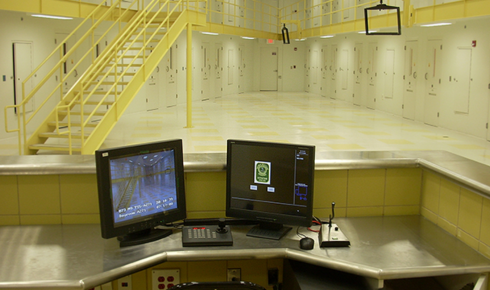

  • Durable Features Found in Cornerstone Detention Center Doors

    Durable Features Found in Cornerstone Detention Center Doors

    Security-focused facilities rely heavily on dependable door systems that perform without hesitation. These doors face daily strain from constant use, force, and environmental changes, yet they must remain consistent and structurally sound. Cornerstone detention center doors are built with features that support long-term durability, especially in facilities using modular jails or high-security layouts.

    Reinforced Hollow-metal Door Shells Built for Sustained Impact Resistance

    A reinforced hollow-metal shell is the backbone of a detention door, providing the strength needed to absorb repeated impact. These shells are formed from thick, high-quality steel that does not bend or deform easily even under direct force. By distributing shock across the door’s interior structure, the shell helps maintain its shape throughout years of heavy use. This reinforcement also protects internal components that must remain functional at all times. Lock mechanisms and hinges depend on a stable door body to operate correctly, and reinforced shells minimize strain on these parts. Facilities working with Cornerstone detention equipment contractors benefit from door systems built with reliable impact resistance at their foundation.

    Heavy-gauge Steel Frames Engineered to Withstand Forced Entry Attempts

    Frames carry a significant load in any detention environment, and heavy-gauge steel gives them the stability required to resist forced entry attempts. The density and thickness of the steel create a rigid barrier that prevents prying, bending, or cracking. This strength ensures the door remains secure even under aggressive pressure.

    Beyond resisting entry attempts, strong frames support smooth door operation. Sliding, swinging, and specialty doors all rely on frames that stay aligned despite vibration and repeated use. Cornerstone prison supply manufacturers provide strong frame systems that enhance protection in correctional settings.

    Welded Frame Corner Joints for Enhanced Structural Integrity

    Corner joints are key stress points, and welded connections reinforce those areas to prevent separation. Continuous welds bind the corners tightly, creating a unified structure that functions as a single piece rather than multiple assembled components. This construction reduces flexibility in the frame and increases its overall durability.

    A stronger frame means fewer maintenance issues over the door’s lifespan. Welded joints remove the risk of screws loosening or corners shifting out of alignment. Facilities outfitted by a Cornerstone security detention equipment contractor often appreciate the stability these welded joints bring to demanding environments.

    Detention-grade Locking Hardware Designed for Continuous High-use Cycles

    The locking hardware used in detention center doors must endure thousands of cycles without weakening. Detention-grade hardware is built with reinforced parts that resist wear from constant operation. Locks are engineered for smooth engagement, secure positioning, and long-term reliability.

    Hardware designed for these environments also minimizes failure points. Internal components are often heat-treated or precision-machined to maintain consistent performance. Cornerstone detention center doors frequently incorporate advanced locking hardware capable of supporting rigorous daily use.

    Lock Preparations Secured with Threaded Studs and Lock Nuts

    Threaded studs and lock nuts add stability to lock preparations, preventing shifting or loosening over time. This method secures locking hardware firmly to the door and frame, distributing pressure evenly to reduce mechanical stress. The installation remains tight, even under vibration or heavy contact.

    These secure fastening methods are essential in correctional environments where doors must hold up under unpredictable conditions. Threaded fasteners also simplify maintenance and allow technicians to replace components without compromising structural integrity.

    Integrated Vision and Pass-through Options Without Compromising Strength

    Observation windows and pass-through panels must be incorporated without weakening the door. Reinforced frames around these openings help keep the structure strong while still providing essential communication and visibility functions. These features allow staff to perform checks or pass documents safely.

    Security remains uncompromised because each opening is reinforced to match the strength of the surrounding door. Facilities using modular jails often rely on integrated features like these to maintain efficiency, safety, and clear lines of oversight.

    Security Glazing Options Using Wire Mesh or Polycarbonate Materials

    Security glazing prevents breakage and tampering while still allowing visibility. Wire mesh glazing embeds a strong metal grid inside the glass, making shattering extremely difficult. Polycarbonate glazing, on the other hand, offers high impact resistance with a clear, durable surface that resists cracking.

    Both glazing options extend the life of the door and improve overall safety. They meet the demands of correctional environments where aggressive contact or repeated force is likely. These materials help reinforce the secure design found in Cornerstone detention center doors.

    Sliding Door Track Systems Designed for Heavy Operational Loads

    Sliding doors depend on strong track systems to move smoothly under heavy loads. Tracks made from reinforced steel minimize wear from repeated opening and closing cycles. The design ensures consistent operation even when exposed to long-term strain.

    Tracks play an important role in reducing mechanical friction. With proper construction, the door glides reliably and requires fewer repairs. Facilities employing modular jails benefit from track systems that support efficient workflows and controlled movement.

    Tamper-resistant Fasteners Suited for Correctional Facility Environments

    Tamper-resistant fasteners prevent unauthorized removal of door components. These fasteners require specialized tools, making it nearly impossible for individuals inside a secured area to disassemble or compromise the door. Their design adds an additional layer of protection to the overall structure.

    Such fasteners also reduce maintenance concerns by staying firmly in place under heavy use. They maintain door integrity even when subjected to vibration, impact, or environmental stress. For those seeking strong, dependable detention solutions, Cornerstone offers systems engineered to meet the rigorous demands of correctional security environments.

  • When to Conduct Risk Assessments for Security and Facility Management in Bangalore IT Buildings 

    When to Conduct Risk Assessments for Security and Facility Management in Bangalore IT Buildings 

    Risk assessments: They’re the foundation of effective security and facility management in any IT building. And for a bustling, tech-driven hub like Bangalore, they aren’t just a “good-to-have”—they’re essential. Whether you’re managing a 24/7 operational IT park or a smaller co-working space, knowing when and how to conduct risk assessments can save you from potential safety lapses, operational downtime, or compliance issues. 

    This blog dives into why risk assessments matter, when they should be conducted, and how to approach them in a strategic manner to protect your IT building.

    Why are Risk Assessments Critical for Bangalore IT Buildings? 

    Bangalore is often referred to as the Silicon Valley of India—the city’s IT sector operates at a rapid pace, handling sensitive data, hosting cutting-edge technologies, and demanding round-the-clock security and operational efficiency. Risk assessments are crucial here to ensure IT spaces remain secure and compliant while mitigating potential threats such as unauthorized access, equipment theft, and fire hazards. 

    IT buildings also face unique security and facility challenges, such as handling extensive visitor traffic, perimeter breaches, and maintaining high-tech equipment. Ensuring a proper risk assessment plan is in place acts as the first line of defense against these vulnerabilities. 

    When Should You Conduct a Risk Assessment? 

    Timing matters when it comes to risk assessments. Though security and facility management plans might already be in place, periodic and situational assessments ensure your building doesn’t miss evolving risks or compliance requirements. 

    1. During Facility Handover 

    When onboarding an IT building or facility, a comprehensive risk assessment should be your top priority. It allows you to identify vulnerabilities in the infrastructure, evaluate existing security mechanisms, and proactively address operational gaps. 

    For example, Stalwart, a leading security services company, conducts a detailed site takeover plan, supported by AI-driven tools, for seamless integration into operations. The assessment ensures that safety protocols like fire exits, monitoring systems, and team workflows are set up correctly from day one. 

    2. After a Major Renovation or Expansion 

    Renovations or physical expansions often bring new challenges—like creating additional entry points or accommodating more personnel. Conducting a risk assessment post-expansion ensures your existing security hardware, staff, and processes are adapted to meet these changes seamlessly. 

    3. Seasonal Inspections 

    Bangalore experiences seasonal monsoons and an influx of talent during peak IT hiring cycles. From flooding potential to increased visitor traffic, seasonal disruptions require targeted risk assessments. For instance, a surge in temporary staff and consultants highlights the need for real-time ID verification and centralized monitoring, key features offered by Stalwart’s integrated tech solutions. 

    4. Before Introducing New Technology 

    Whether you’re integrating an AI-based surveillance system or revamping your Biometric Attendance System, new technology can have both advantages and vulnerabilities. If you’re considering adopting cutting-edge AI security systems like Stalwart’s Intelisenz Cloud-Based Monitoring, it’s advisable to conduct a pre-implementation risk assessment to iron out technical loopholes. 

    5. After a Security Breach or Incident 

    A security breach, unauthorized access, or even a simple procedural failure is a wake-up call. Post-incident assessments help identify root causes and loopholes, paving the way for stronger protocols and additional safeguards moving forward. 

    6. Periodic Annual Checks 

    Regular assessments, ideally every 12 months, keep your security protocols agile and updated. These checks should evaluate existing guard deployments, emergency response readiness, equipment maintenance, and compliance audits, ensuring nothing slips through the cracks. 

    How to Conduct a Comprehensive Risk Assessment 

    Timing aside, it’s just as important to conduct your risk assessments thoroughly. To ensure you’re covering every angle, follow these foundational steps tailored to IT buildings in Bangalore. 

    Step 1. Identify Threats and Vulnerabilities 

    Begin by analyzing all the potential risks, whether physical (like fire hazards or theft), environmental (flooding or overheating servers), or procedural (access control issues). Utilize tools like AI-driven threat detection for proactive insights. 

    Step 2. Assess Current Security and Facility Measures 

    Take stock of your existing security infrastructure, such as CCTVs, access control systems, and Quick Response Teams (QRT). Similarly, evaluate facility aspects like elevators, HVAC systems, and housekeeping standards. 

    Pro Tip: Stalwart offers expert-trained personnel combined with AI-driven surveillance systems to pinpoint gaps in real time. 

    Step 3. Engage Stakeholders and Employees 

    Risk assessments work best when key personnel, such as facility managers, security supervisors, and IT managers, are part of the discussion. Their on-ground expertise gives you practical insights into ongoing challenges. 

    Step 4. Prioritize and Mitigate Risks 

    Once you’ve identified vulnerabilities, map them on a priority scale—from immediate threats (e.g., malfunctioning surveillance cameras) to long-term challenges (e.g., weak cybersecurity policies). Address high-priority risks immediately with solutions like armed guarding, emergency evacuation drills, or upgraded patrol protocols. 

    Step 5. Document and Monitor 

    Finally, ensure every assessment’s findings are documented meticulously. Monitor progress and improvements over time through transparent tracking software, like GPS-enabled Guard Patrol or customer feedback apps offered by Stalwart. 

    Why Partner with Experts for Risk Assessments? 

    When it comes to managing sprawling IT campuses or tech parks, enterprises must merge operational efficiency with robust security frameworks. This is where leveraging third-party experts like Stalwart, a top security services company, becomes invaluable. 

    With a dedicated focus on industries such as IT, aviation, manufacturing, and healthcare, Stalwart not only conducts risk assessments but also provides tailored solutions like physical guarding, AI-powered monitoring, and integrated facility management services. You can learn more about how Stalwart provides top and best security agency and facility management services to sectors like IT in Bangalore, Chennai, and Hyderabad. 

    Proactive Risk Management Equals Peace of Mind 

    Conducting timely risk assessments is critical for maintaining security and operational excellence in Bangalore’s IT buildings. Whether you’re setting up your first facility or managing a dynamic workplace, assessments enable proactive fixes and peace of mind. 

    Organizations that invest in expert-driven assessments and robust facility management frameworks, like those offered by Stalwart, often find themselves ahead of risks, operational inefficiencies, and compliance challenges.