Water is one of those things we rarely think about until something seems wrong. Maybe the tap water has an unusual taste, white deposits keep appearing around the kitchen faucet, or a water heater needs attention more often than expected. Sometimes the problem is obvious. Other times, it takes a little investigation to understand what’s happening.
For homeowners and business owners alike, improving water quality isn’t simply about buying a filter and hoping for the best. Different water supplies contain different minerals, sediments and potential contaminants, so a solution that works beautifully in one property may do very little for another.
The good news? You don’t need to become a water treatment expert overnight. With the right information, a sensible approach to testing and equipment suited to your needs, you can make better decisions about the water you use every day.
Start by Understanding Your Water
Before choosing a treatment system, take a closer look at the water entering your property. Is it supplied by a municipal utility, a private well or another source? Have you noticed changes in colour, smell or taste? Do you regularly deal with limescale, cloudy glasses or stains around sinks and bathroom fixtures?
These everyday clues can help identify a problem, but they don’t provide a complete picture of water quality.
For example, hard water contains elevated levels of minerals such as calcium and magnesium. It can leave deposits on showerheads, reduce soap lather and contribute to scale inside certain appliances. A water softener may help manage hardness, but it won’t necessarily remove other unwanted substances.
An unpleasant smell can have several causes, including naturally occurring compounds, plumbing issues or problems with the water supply. Similarly, clear water isn’t automatically safe to drink. Some contaminants cannot be detected by sight, taste or smell.
This is where proper testing becomes useful. Rather than guessing which equipment you need, begin with evidence. A test can help narrow down the possibilities and guide you towards an appropriate treatment method.
Why Water Testing Is Worth Your Time
Many water treatment providers offer free water testings as an introductory service, giving customers an opportunity to learn more about their water before committing to equipment. Depending on the provider, this may involve a basic screening for hardness, pH, chlorine or other selected characteristics.
It’s a convenient starting point, especially if you’re unsure whether a water softener or filtration system would be worthwhile.
However, it’s important to understand what the test actually measures. A simple demonstration may reveal mineral content or certain common characteristics, but it shouldn’t be mistaken for a comprehensive laboratory analysis. If you’re concerned about bacteria, lead, arsenic, nitrates or other specific contaminants, you may need testing through a qualified laboratory using suitable sampling procedures.
Private well owners should pay particular attention to regular testing because groundwater quality can change over time. Heavy rainfall, nearby construction, agricultural activity and other local factors may affect the supply. The appropriate testing schedule depends on local guidance and the risks associated with the property.
Even when your water comes from a public supply, checking the latest utility quality report can provide useful context. If your home’s plumbing is old, additional testing may be sensible because the condition of internal pipes and fixtures can influence the water reaching your tap.
The main point is simple: test first, then choose the treatment.
Finding a Solution That Fits Your Property
Water treatment isn’t a one-size-fits-all business. A family home with hard water has different priorities from a restaurant that needs consistent water for coffee machines, ice makers and food preparation.
That is why customized solutions can be valuable. Instead of recommending the same equipment to every customer, a knowledgeable provider should consider the water test results, daily consumption, plumbing layout and intended use.
Several treatment options may be worth considering.
- Sediment filtration: Helps capture suspended particles such as sand, rust and other debris, depending on the filter’s rating.
- Activated carbon filtration: Can reduce chlorine, certain tastes and odours, and some other compounds when the filter is designed and certified for those purposes.
- Water softening: Reduces hardness minerals through an ion-exchange process, helping limit scale formation.
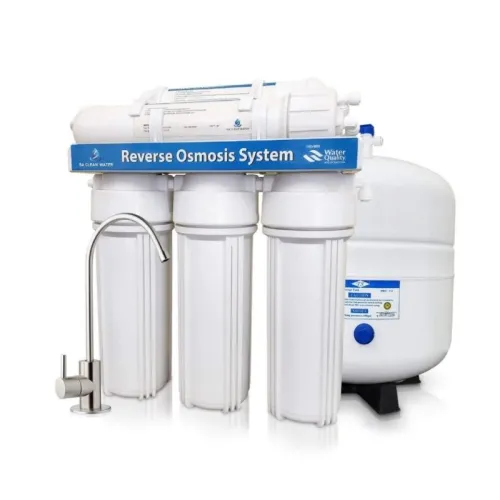
- Reverse osmosis: Can reduce many dissolved substances, depending on the membrane and system design. It also produces wastewater and requires appropriate maintenance.
- Specialised treatment: Certain contaminants, including arsenic, fluoride or microorganisms, may require specific technologies selected according to test results.
These systems serve different purposes. A carbon filter won’t necessarily solve a hard-water problem, and a conventional softener isn’t designed to make every water supply safe to drink.
Sometimes, combining technologies makes sense. In other situations, one properly selected filter may be enough. A good recommendation should explain why a particular system is suitable, what it can remove or reduce, and what it cannot do.
Don’t Overlook the Quality of the Equipment
Once you’ve identified the type of treatment you need, the next step is comparing equipment. This can feel confusing because products may look similar while differing considerably in capacity, filtration performance, maintenance requirements and operating costs.
Look beyond the marketing claims. Reliable quality products should have clear specifications, understandable maintenance instructions and replacement components that are reasonably accessible. Where relevant, check for independent certification to recognised standards, such as NSF/ANSI standards for particular filtration or treatment claims.
Certification matters because it helps verify specific performance claims. Still, a certified product isn’t automatically suitable for every water problem. Check which contaminants or functions the certification covers rather than assuming the system removes everything.
Capacity is another important consideration. A compact filter might suit a single kitchen tap, while a larger property may require treatment for several bathrooms and appliances. Commercial users should also consider peak water demand, flow rate and the consequences of running out of treated water during busy hours.
Ask about filter replacement intervals, warranty coverage and the availability of technical support. A product with a low purchase price can become less attractive if replacement cartridges are expensive or difficult to obtain.
There’s no need to pay for features you’ll never use. What matters most is dependable performance for the water conditions you actually have.
Installation and Maintenance Make a Difference
Even a well-chosen system can disappoint if it’s installed incorrectly or neglected after installation.
Before work begins, confirm that the equipment is compatible with your plumbing and available water pressure. Some systems need drainage connections or an electrical supply, while others require sufficient space for filter changes and routine servicing.
After installation, follow the manufacturer’s instructions carefully. Replace cartridges when recommended, keep softener salt at the appropriate level where applicable, and check for leaks or changes in water pressure. If a system includes a monitoring display or service indicator, don’t ignore it.
It’s also worth keeping records of installation dates, filter changes and water test results. These details can help identify patterns and make future servicing easier. For a busy household, a reminder on the calendar may be all that’s needed to prevent maintenance from slipping through the cracks.
If water quality suddenly changes, don’t assume the filter simply needs replacing. The cause could be a supply issue, plumbing deterioration or a problem that requires additional testing.
Ask Questions Before You Commit
A trustworthy water treatment provider should be willing to explain the proposed system in plain language. Ask what problem it addresses, what evidence supports the recommendation and whether less expensive alternatives would meet your needs.
You should also understand the complete cost, including installation, replacement filters, salt, servicing and any expected water or energy use. If a company makes broad promises without explaining the limits of its equipment, take a step back.
Good service isn’t about selling the largest system available. It’s about helping customers understand their options and choose equipment that makes practical sense.
A Better Approach to Everyday Water
Water quality can affect everything from drinking habits to appliance maintenance, yet finding the right solution doesn’t have to be complicated. Start by identifying the concerns you actually have, use appropriate testing to understand the water, and compare treatment options based on evidence rather than guesswork.
Choose equipment with clear performance claims, make sure it suits your household or business, and plan for regular maintenance from the beginning.
Most importantly, remember that better water doesn’t always require a major installation. Sometimes a targeted filter addresses the problem. In other cases, a more comprehensive system is justified.
The best choice is the one that solves a real need, fits your budget and continues to perform reliably long after installation day.