Most homeowners don’t spend much time thinking about their plumbing. Water goes into the pipes, comes out of the tap, and everything works as expected. That quiet reliability is great — until something breaks.
A leaking pipe, failed appliance connection, or frozen water line can turn into a serious household problem surprisingly quickly. The frustrating part is that many leaks begin when nobody is around to notice them. A smart water protection system can’t prevent every plumbing failure, but it can monitor what’s happening and give homeowners a chance to respond earlier.
Also read: Choosing the Right Water Solution for a Healthier…
That little bit of extra time can matter more than you’d think.
Why Early Leak Detection Matters
A small leak might not look particularly dangerous at first. A few drops under a sink, a toilet that runs occasionally, or moisture near a washing machine can seem like minor inconveniences.
But water has a habit of finding its way into places you can’t see. It can seep beneath flooring, behind cabinets, or into wall cavities. Once moisture remains trapped, repairs can become much more complicated.
Also read: Keeping Your Pond Water Clear: Testing, Filter Maintenance,…
Modern monitoring technology aims to identify unusual water activity before the damage becomes obvious.
Instead of waiting for a stain on the ceiling or an unexpectedly high utility bill, homeowners can receive information when the system notices something outside normal patterns.
How Automatic Shutoff Helps
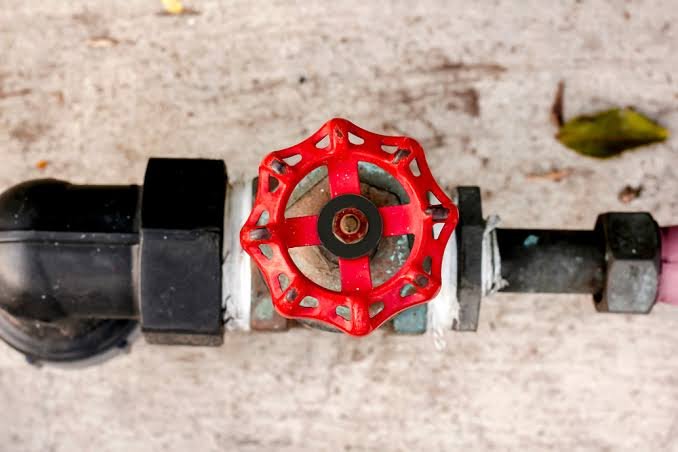
One of the most useful features of connected water protection is automatic shutoff. If the system detects a potentially serious flow event, it may be able to close the main water valve.
Also read: The Best Time to Move House: Timing Your…
In practical terms, an auto shutoff mitigates damage by limiting how much water can continue entering the plumbing system after a major leak begins.
Imagine a supply line failing while you’re away at work. Without someone nearby, water could keep flowing for hours. An automatic valve may stop the supply much sooner.
It isn’t a guarantee against damage, and systems can have limitations. But reducing the volume and duration of escaping water can make a meaningful difference.
Also read: When Your Air Conditioner Keeps Struggling, It May…
Getting Alerts When Something Looks Wrong
Not every unusual flow event is an emergency. Someone may be filling a bathtub, running an irrigation system, or using several appliances at once.
That’s why smart monitoring systems don’t simply react to every change. They can analyze patterns and compare current activity with what normally happens in the home.
The benefit is that homeowners can get alerted to leaks or unusual water behavior without having to constantly watch a meter.
Also read: When Your Water Needs More Than a Quick…
A notification on a phone can be especially useful when you’re traveling. Instead of discovering a plumbing problem when you return home, you may have an opportunity to call someone, investigate remotely, or shut off the water.
What About Frozen Pipes?
Winter weather creates a different kind of plumbing risk.
When temperatures fall sharply, water inside exposed pipes can freeze and expand. That pressure can damage or rupture the pipe. The actual leak may not become obvious until the ice begins to thaw.
This is where frozen pipe detection can provide another layer of awareness. Depending on the technology used, sensors may monitor temperature conditions in vulnerable areas and alert homeowners when conditions become risky.
A smart alert doesn’t physically prevent freezing, of course. But knowing that a pipe is approaching a dangerous temperature can give you time to take action.
Insulating exposed pipes, maintaining suitable indoor temperatures, and protecting vulnerable areas remain essential.
Why Vacation Homes Can Benefit
A home that’s occupied every day has a natural advantage: someone is usually around to notice something unusual.
Vacation properties don’t have that luxury.
A burst pipe in an empty home can continue leaking until a neighbor, property manager, or returning owner discovers it. By then, the amount of water released may be substantial.
Remote monitoring can provide reassurance while you’re away. If a system detects unusual activity, you may be able to respond before the situation becomes much worse.
For frequently unoccupied properties, this can be one of the more practical uses of smart water technology.
Smart Monitoring Can Also Help With Water Conservation
Leak protection isn’t the only benefit.
Continuous water monitoring can reveal consumption patterns that aren’t obvious from a monthly bill. You might discover that irrigation uses more water than expected or that an older toilet is constantly drawing small amounts.
These small patterns can add up.
Once you know where water is going, it’s easier to decide what needs changing. Sometimes the solution is a simple repair. Other times, adjusting irrigation schedules or replacing an inefficient fixture can reduce consumption.
The technology doesn’t conserve water by itself. It simply makes the invisible more visible.
Installation Is Worth Thinking About Carefully
Before installing a smart water protection device, homeowners should check the plumbing configuration and installation requirements.
Some systems are installed directly on the main water line. Depending on the property, professional plumbing work may be necessary. Pipe size, valve location, power supply, Wi-Fi coverage, and local plumbing conditions can all affect installation.
It’s better to spend a little time checking compatibility than to discover after purchase that the device doesn’t fit your setup.
What Smart Systems Can’t Do
It’s easy to get carried away with connected-home technology, but these devices aren’t magic.
A smart water monitor can’t repair a corroded pipe. It can’t replace old plumbing, prevent every leak, or guarantee that a frozen pipe won’t burst.
Sensors can also experience power, connectivity, or equipment issues.
That’s why traditional maintenance still matters. Inspect exposed pipes, check appliance hoses, maintain water heaters, and address small leaks promptly.
Technology works best as an additional layer of protection rather than a replacement for basic care.
The Value of Acting Earlier
The biggest advantage of smart water protection isn’t really the technology itself. It’s the opportunity to know sooner.
A leak that is discovered quickly may require a relatively simple repair. The same leak left unnoticed for hours or days can create much more complicated consequences.
Automatic shutoff, remote notifications, temperature monitoring, and usage tracking all work toward the same basic goal: reducing the time between a plumbing problem beginning and someone responding to it.
That’s a pretty sensible goal.
A More Prepared Home
No homeowner can predict exactly when a pipe will fail. Plumbing systems age, weather changes, appliances wear out, and sometimes things simply go wrong.
But preparation can change how a household responds.
Smart water monitoring can provide another set of eyes on the plumbing system, especially when nobody is home. Combined with regular maintenance and sensible precautions, it can help homeowners catch unusual water activity earlier and potentially limit the consequences.
In the end, the smartest water-protection system isn’t about turning your house into a futuristic laboratory. It’s about something much simpler: knowing when water is behaving strangely, having a chance to respond, and avoiding a preventable headache whenever possible.