Construction projects often begin with excitement. Whether it’s a new family home, a commercial building, or a large development, everyone involved shares the same goal: completing the project safely, on time, and within budget. The blueprints look promising, contracts are signed, and work gets underway with plenty of optimism.
But anyone who’s spent time around construction knows things don’t always unfold according to plan. Unexpected site conditions, design changes, communication gaps, scheduling delays, and disagreements over workmanship can slowly transform a promising project into a complicated dispute. When that happens, finding answers requires more than opinions—it requires facts supported by experience.
Also read: Why Proper Water System Installation Makes a Bigger…
Understanding how construction disagreements develop, and how they’re resolved, can help property owners, contractors, and developers make better decisions long before problems reach the courtroom.
Every Project Is More Complex Than It Appears
From the outside, a finished building often looks simple. Strong walls, polished flooring, and neatly painted surfaces create the impression that everything came together effortlessly.
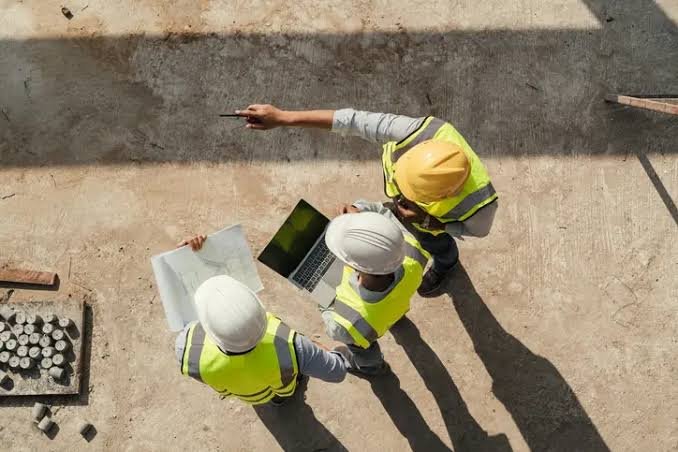
Behind those finishes, however, are hundreds of decisions involving engineering, architecture, materials, subcontractors, inspections, permits, scheduling, and quality control. Every stage depends on someone completing their responsibilities accurately and on time.
Also read: Bianco Dolomite Marble: The Perfect Blend of Elegance…
Even a relatively small mistake early in the process can affect several later phases. A delayed foundation inspection might postpone framing. Incorrect measurements could impact plumbing or electrical work. Those domino effects explain why experienced project management matters so much.
Why Contracts Deserve More Attention
Many construction disagreements begin not because someone intentionally made a mistake, but because expectations weren’t clearly documented.
Construction contracts outline timelines, payment schedules, material specifications, responsibilities, change-order procedures, warranties, and dispute resolution processes. Unfortunately, they’re often skimmed instead of carefully reviewed.
Also read: What Romantic Details Set Guntersville Cabin Rentals Apart…
Clear contracts don’t eliminate every disagreement, but they provide an important roadmap when questions arise later. When responsibilities are defined from the beginning, resolving conflicts becomes considerably easier.
That’s one reason experienced builders encourage detailed documentation throughout every stage of a project.
The Role of Independent Construction Experts
When projects become legally contested, technical issues often exceed the knowledge of the average homeowner, business owner, or even attorney.
Also read: A Complete Guide to Buy Marble for Your…
An experienced construction contracting expert witness helps explain industry standards, contract requirements, project documentation, scheduling practices, workmanship expectations, and construction procedures in a way that judges, juries, and legal teams can clearly understand.
Rather than advocating emotionally for one side, qualified experts examine drawings, contracts, inspection reports, photographs, invoices, correspondence, and project timelines before reaching professional conclusions based on evidence.
Their objective analysis often brings clarity to situations where multiple parties strongly disagree about what actually occurred.
Also read: Rehabilitation Processes In Occupational And Traffic Incidents
Small Defects Can Become Expensive Problems
Construction isn’t just about appearance.
A freshly painted wall may hide moisture intrusion. Attractive flooring might conceal uneven structural movement. Roof leaks often remain unnoticed until heavy rainfall exposes underlying issues. Poor drainage may take months before creating visible damage.
These situations frequently develop into construction defect claims, particularly when owners discover problems after project completion.
Determining the true cause isn’t always straightforward. Was the issue related to poor workmanship? Defective materials? Design errors? Maintenance failures? Environmental conditions?
Answering those questions requires careful investigation rather than assumptions.
Experienced inspectors typically review building components methodically, identifying root causes instead of simply addressing visible symptoms.
Documentation Often Becomes the Strongest Evidence
One lesson repeated across nearly every construction dispute is remarkably consistent: good records matter.
Daily reports, inspection logs, photographs, emails, approved change orders, invoices, schedules, weather records, and meeting notes may seem routine while construction is progressing.
Months or years later, those same documents can become invaluable.
They establish timelines, confirm decisions, explain design revisions, and demonstrate whether contractual obligations were fulfilled. Without documentation, even honest recollections become difficult to verify.
Well-organized records rarely solve disputes by themselves, but they often provide the foundation for reaching fair conclusions.
Communication Prevents More Problems Than Most People Realize
Construction projects involve architects, engineers, contractors, subcontractors, suppliers, inspectors, owners, consultants, and lenders.
With so many people participating, communication naturally becomes one of the biggest challenges.
A misunderstood instruction, delayed approval, or undocumented conversation can easily create confusion that spreads throughout an entire project.
Successful teams understand this reality.
They document important conversations, confirm changes in writing, hold regular progress meetings, and address concerns before they grow into larger disagreements. Those simple habits may feel repetitive, but they save significant time and expense over the life of a project.
When Disputes Reach the Courtroom
Not every disagreement can be resolved through negotiation.
Sometimes the financial stakes become too significant, contractual obligations remain disputed, or responsibility for damages cannot be determined through informal discussions alone.
When projects enter construction litigation, courts rely heavily on objective evidence rather than emotional arguments.
Construction schedules, expert reports, engineering analysis, inspection findings, financial records, and technical documentation all help explain what happened and why.
Judges and juries rarely possess specialized construction knowledge themselves, making clear, well-supported explanations especially valuable during legal proceedings.
Ultimately, the strongest cases are usually those supported by credible evidence rather than speculation.
Looking Beyond the Immediate Problem
One of the smartest approaches to construction is thinking beyond project completion.
Owners who perform regular inspections, maintain detailed records, respond quickly to maintenance issues, and preserve original project documentation often avoid much larger problems later.
Likewise, contractors who prioritize transparency, quality control, and consistent communication generally build stronger reputations and experience fewer disputes over time.
Construction success isn’t measured solely by finishing a building. It’s measured by how well that building performs years after the final inspection.
Final Thoughts
Construction projects combine technical expertise, financial investment, legal responsibilities, and countless moving parts. Even when everyone begins with the best intentions, unexpected challenges can arise along the way.
The difference between a manageable issue and a costly legal dispute often comes down to preparation, documentation, professional communication, and a willingness to address concerns before they escalate.
Whether you’re a property owner, contractor, developer, or investor, understanding the importance of accurate records, independent evaluation, and experienced guidance can make a lasting difference. Buildings may be constructed from concrete, steel, and wood, but successful projects are ultimately built on planning, accountability, and trust.
Those principles don’t just help projects reach completion—they help ensure they stand the test of time long after construction equipment has left the site.