Category: home services

  • Choosing the Right Water Solution for a Healthier Home

    Choosing the Right Water Solution for a Healthier Home

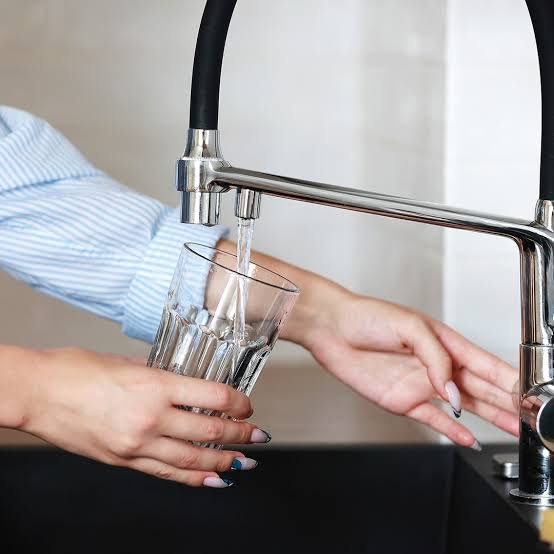
    Water is easy to take for granted. We turn on the faucet, fill a glass, rinse vegetables, and move on with the day. But when water tastes strange, leaves mineral deposits, or raises questions about what might be flowing through the pipes, it becomes something we notice very quickly.

    For many homeowners, improving water quality is less about chasing perfection and more about making everyday life comfortable and dependable. The right treatment solution can improve taste, reduce certain impurities, protect appliances, and make drinking water more appealing. Still, choosing a system requires a little thought. Not every home has the same water concerns, and the most expensive equipment is not automatically the most suitable.

    A practical decision begins with understanding your water source, identifying the issues that matter, and choosing treatment technology that matches those needs.

    What Does Purified Water Actually Mean?

    The term purified water is often used in advertising, but it can mean different things depending on the treatment process. In general, purification involves reducing unwanted substances from water through methods such as filtration, reverse osmosis, distillation, ultraviolet treatment, or a combination of technologies.

    No single process removes every possible impurity. For example, activated carbon is effective at improving taste and reducing chlorine, while reverse osmosis can reduce many dissolved substances. Ultraviolet treatment is designed to address certain microorganisms, but it does not remove minerals or chemicals.

    This is why it helps to look beyond labels. Instead of choosing a product simply because it says “purified,” check what the system is designed to reduce and whether its performance has been independently tested or certified. A trustworthy manufacturer should provide clear information rather than vague promises.

    Start by Understanding Your Water Source

    Before buying treatment equipment, consider where your water comes from. Municipal water, private wells, borewells, rainwater collection systems, and building storage tanks can all present different challenges.

    City water is usually treated and monitored, but its taste and quality may still be affected by disinfectants, aging infrastructure, or plumbing inside the property. Private well water may contain naturally occurring minerals, iron, sulfur, bacteria, or other substances that require more specialized testing.

    Apartment residents may also need to consider shared storage tanks and internal plumbing. Sometimes the issue is not the municipal supply but the condition of the building’s pipes or tank.

    A local water quality report can be a useful starting point for municipal users. Private well owners should consider periodic laboratory testing, especially if the water’s appearance, taste, or smell changes. Testing gives you evidence to work with instead of relying on assumptions.

    Choosing a Drinking Water System

    A drinking water system is usually designed to treat the water used for drinking and cooking rather than every faucet in the home. These systems are often installed under the kitchen sink and connected to a separate faucet.

    This setup can be practical because it focuses treatment where it matters most. Drinking, cooking, preparing tea or coffee, and washing food are activities where water taste and quality are especially noticeable.

    Different systems offer different levels of treatment. A carbon filter may be enough for chlorine taste and odor. A reverse osmosis unit may be more appropriate when testing identifies high dissolved solids or certain dissolved contaminants. Ultraviolet treatment may be useful when microbial concerns are present, particularly in some private well applications.

    When comparing systems, look at more than the initial price. Consider the flow rate, storage capacity, filter replacement costs, installation requirements, water pressure, and the availability of service. A system that is difficult to maintain may become frustrating after the initial excitement wears off.

    Is a Whole-Home System Necessary?

    Some homeowners want treated water at every faucet, not only in the kitchen. A whole-home system may be appropriate when the water contains sediment, unpleasant odors, hardness, or other issues that affect bathing, laundry, plumbing, and appliances.

    For example, sediment filtration can help protect plumbing fixtures and water-using appliances. A water softener may reduce the effects of hard water, such as scale buildup and soap that struggles to lather. Carbon filtration may improve odor throughout the home.

    However, whole-home treatment is not always necessary for drinking water concerns. If the main issue is the taste of water used for drinking and cooking, a point-of-use system may be a simpler and more cost-effective option.

    The decision should be based on the problem you are trying to solve. Treating every drop of water can be useful, but it also means considering installation space, maintenance, and operating costs.

    Tap Water Is Not Automatically Bad Water

    There is often confusion around tap water. Some people assume bottled water is always safer, while others believe all tap water is perfectly identical. The reality is more nuanced.

    Municipal tap water is generally treated to meet established safety requirements, but water quality can vary by location, infrastructure, and the condition of household plumbing. Tap water may also contain minerals or disinfectants that affect taste without necessarily making it unsafe.

    The best way to understand your water is to check reliable testing information. If you are concerned about lead, nitrates, arsenic, PFAS, bacteria, or another specific substance, use a test designed to detect that issue. A general TDS meter, for example, cannot identify every contaminant or determine whether water is safe by itself.

    If a treatment system is purchased, make sure it is certified or independently verified for the substances you want to reduce. A filter that improves flavor should not be assumed to remove health-related contaminants.

    Think About Water Waste and Efficiency

    Some water treatment technologies, especially reverse osmosis, may produce wastewater during filtration. The amount varies by system design, water pressure, membrane condition, and efficiency rating.

    Modern systems may be designed to reduce waste compared with older models, but efficiency should still be part of the buying conversation. Ask how much feed water is required to produce a certain amount of treated water and whether the rejected water can be reused safely for suitable household tasks.

    Not every reuse option is appropriate. Water rejected by an RO system may contain concentrated dissolved substances, so it should not automatically be used for drinking or sensitive plants. Follow the manufacturer’s guidance and consider local conditions before reusing it.

    A system that provides good water quality while using resources responsibly is a more sensible long-term choice.

    Maintenance Should Never Be an Afterthought

    Even a high-quality system needs regular care. Filters become less effective as they collect impurities, and neglected equipment may develop hygiene or performance problems.

    Keep track of filter replacement dates and pay attention to changes in taste, odor, flow, or water pressure. Clean the faucet and external components regularly. If the system includes a storage tank, UV lamp, membrane, or remineralization cartridge, follow the recommended service schedule for each part.

    It is also wise to choose a supplier that offers replacement filters and technical support. A system is only useful if you can maintain it properly over time.

    Make the Decision Based on Your Actual Needs

    The right water treatment solution should fit your home rather than follow a one-size-fits-all sales pitch. Start with a water test or a reliable water quality report. Identify whether your main concern is taste, sediment, hardness, dissolved minerals, microorganisms, or a specific contaminant.

    Then compare suitable technologies and ask practical questions about cost, installation, maintenance, water usage, and certification. You may need a simple carbon filter, a softener, a reverse osmosis unit, a whole-home system, or a combination of treatments.

    Better water is not about buying the most complicated equipment. It is about choosing a solution that addresses real concerns and continues to perform with proper care. With informed planning, homeowners can make drinking, cooking, cleaning, and everyday living more comfortable—one glass of water at a time.


  • Keeping Your Pond Water Clear: Testing, Filter Maintenance, and Smarter Care

    Keeping Your Pond Water Clear: Testing, Filter Maintenance, and Smarter Care

    A pond can be one of the most peaceful features on a property. The sound of moving water, the reflection of trees, and the occasional movement of fish can make an outdoor space feel more alive. But behind that calm appearance, pond water needs regular attention. Without proper care, water can become cloudy, develop unpleasant odors, encourage algae growth, or place unnecessary stress on fish and aquatic plants.

    Maintaining a healthy pond is not only about making it look attractive. It also involves understanding the water chemistry, keeping filtration equipment clean, and making small adjustments before minor issues turn into expensive repairs. A practical maintenance routine, supported by professional advice when needed, can make pond care much more manageable.

    Why Regular Pond Water Testing Matters

    Many pond owners wait until the water looks dirty before taking action. Unfortunately, visible problems are often signs that something has already been developing for a while. Water may appear clear while still containing imbalanced pH, excess nutrients, low oxygen, or other conditions that affect fish and plant health.

    A free water analysis can be a useful starting point for understanding what is happening beneath the surface. Depending on the service, testing may review factors such as pH, alkalinity, hardness, ammonia, nitrite, nitrate, and other water characteristics. These measurements help identify whether the pond environment is stable or whether adjustments are needed.

    For example, high ammonia levels can be dangerous to fish, especially in warm weather. Low oxygen can become a concern when algae die off or when the pond is overcrowded. Excess nutrients may encourage persistent algae blooms. Without testing, it’s easy to treat the wrong problem.

    Testing is especially valuable when a pond has recently been refilled, fish have been added, heavy rain has occurred, or water suddenly changes color or odor. It gives owners a clearer picture before they invest in chemicals, equipment, or major cleaning.

    The Role of a Pond Filter

    A pond filter does much more than make water look clear. It supports the pond’s biological balance by removing debris and helping beneficial bacteria break down harmful waste. Depending on the system, a filter may perform mechanical filtration, biological filtration, or both.

    Mechanical filtration catches leaves, dirt, algae fragments, and other suspended material. Biological filtration provides a surface where helpful bacteria can grow. These bacteria assist in converting toxic fish waste into less harmful compounds as part of the nitrogen cycle.

    When a filter becomes clogged, water flow slows down. The pump may have to work harder, water circulation can weaken, and oxygen distribution may suffer. A dirty filter can also become a source of trapped waste rather than an effective cleaning component.

    That’s why filter maintenance should be treated as a routine responsibility, not an occasional emergency task.

    Understanding the Pond Filter Change Pre-Pay Program

    Filter media and replacement components eventually need to be changed. Some pond systems use cartridges, pads, bags, sponges, or specialized media that lose effectiveness as they collect debris or become worn. Waiting too long can reduce filtration performance and affect overall water quality.

    A pond filter change pre-pay program may help pond owners plan ahead for these recurring maintenance needs. Instead of waiting until a filter requires urgent replacement, a pre-payment arrangement can make future service easier to schedule and may help spread out the cost of regular care.

    The exact terms of such a program can vary. Some services may include scheduled filter changes, replacement media, labor, or reminders, while others may focus only on the materials. Before joining, it’s worth asking what is included, how often changes are recommended, whether emergency visits are covered, and whether unused services can be transferred or rescheduled.

    For busy homeowners, this kind of planned maintenance can remove one more task from the list. It also encourages consistency, which is often the difference between a pond that stays stable and one that repeatedly develops problems.

    How Often Should Pond Filters Be Changed?

    There is no single schedule that works for every pond. Filter maintenance depends on pond size, fish population, water flow, surrounding vegetation, weather, and the type of filtration equipment installed.

    A pond surrounded by trees may collect leaves and organic debris much faster than a pond in an open area. A heavily stocked koi pond will generally produce more waste than a decorative pond with only a few plants. During warmer months, biological activity and algae growth may increase, placing additional pressure on the filtration system.

    Some filters need cleaning every few weeks, while replacement media may last much longer. However, cleaning and replacement are not always the same thing. Rinsing a filter pad may restore water flow, but heavily worn or damaged media may need to be replaced.

    Owners should watch for warning signs, including:

    • Reduced water circulation
    • Cloudy or green water
    • Unusual odors
    • Overflowing or visibly clogged filter chambers
    • Increased algae growth
    • Pump strain or unusual noise
    • Fish gathering near waterfalls or air outlets

    These signs do not always mean the filter itself is the problem, but they indicate that the system deserves attention.

    Protecting Peak Efficiency Through Better Maintenance

    Pond equipment works best when water can move freely and filtration components are in good condition. Keeping the pump, skimmer, pipes, and filter media maintained helps the system operate at peak efficiency without unnecessary strain.

    Simple steps can make a meaningful difference. Remove large leaves before they reach the pump. Clean skimmer baskets regularly. Check hoses and connections for leaks. Make sure the filter is receiving adequate water flow, and avoid washing biological media with chlorinated tap water unless the manufacturer specifically recommends it. Chlorine can damage beneficial bacteria that help maintain the pond’s biological balance.

    It’s also important not to over-clean every part of the system at once. A pond’s beneficial bacteria need stable surfaces to survive. Excessive cleaning or replacing all biological media simultaneously can disrupt the nitrogen cycle and lead to water instability.

    Seasonal Pond Care Makes a Difference

    Pond maintenance changes throughout the year. In spring, owners often need to remove winter debris, inspect pumps, and check water chemistry before aquatic life becomes more active. Summer may bring higher evaporation, algae growth, and oxygen concerns. During autumn, leaf management becomes a major priority.

    Winter care depends on the climate and pond inhabitants. In colder regions, owners may need to protect equipment from freezing and ensure fish have adequate conditions beneath the surface. In warmer areas, filtration and aeration may continue operating throughout the year, although the maintenance schedule can still change.

    Seasonal inspections are a good opportunity to check whether the filter system remains suitable for the pond’s current needs. Fish populations grow, landscaping changes, and equipment ages. A system that worked perfectly several years ago may now be undersized or less efficient.

    When Professional Pond Service Is Worth Considering

    Some pond maintenance tasks are straightforward, but complicated water problems often require professional support. Persistent algae, unexplained fish loss, recurring odors, or repeated filter blockages should not be ignored.

    A pond professional can inspect the complete system rather than focusing on one visible symptom. They may evaluate circulation, filtration capacity, water chemistry, pump performance, and the relationship between the pond and its surrounding environment.

    Professional service can also be helpful when installing a new filtration system, changing filter media, balancing water after a major cleaning, or preparing a pond for seasonal changes. The goal isn’t always to add more equipment. Sometimes, a small adjustment to flow, stocking, cleaning frequency, or plant coverage can solve the issue.

    A Clearer Pond Starts With Consistent Attention

    Healthy pond water rarely happens by accident. It comes from regular observation, sensible testing, proper filtration, and timely maintenance. You don’t need to spend every weekend working on the pond, but ignoring it for months can create problems that take much longer to correct.

    By testing water before guessing, maintaining filters before they fail, and planning recurring service in advance, pond owners can protect aquatic life and enjoy a cleaner, more balanced outdoor environment. A clear pond is beautiful, of course. More importantly, it is a sign that the entire pond ecosystem is receiving the care it needs.

  • The Best Time to Move House: Timing Your Relocation Right

    The Best Time to Move House: Timing Your Relocation Right

    Ask anyone who’s moved house more than once, and they’ll usually have an opinion about timing. Some swear by summer moves for the better weather; others insist a quiet January slot saved them hundreds of pounds. The truth is that timing genuinely affects both cost and convenience, and understanding how makes it far easier to plan a move that fits your schedule and your budget. This guide breaks down how seasons, days of the week, and even time of day affect a house move, along with the practical trade-offs worth weighing before you settle on a date.

    How the Season Affects Your Move

    Summer Moves

    Summer is consistently the busiest season for removals in the UK, largely because it coincides with school holidays and generally better weather for loading vans and carrying furniture outdoors. The downside is availability and price — popular removal companies book up quickly, and rates tend to sit higher due to demand.

    Winter Moves

    Winter, particularly January and February, tends to be quieter. Fewer people move during this period, which often means more flexibility with dates and potentially better rates. The trade-off is weather-related risk: icy pavements, shorter daylight hours, and the general unpleasantness of carrying boxes through rain or snow.

    Spring and Autumn

    These shoulder seasons often strike a reasonable balance — milder weather than winter, less competition for dates than summer, and reasonably predictable conditions for loading and unloading. Many removal companies see this as a sensible middle ground for people with some flexibility in their moving date.

    Day of the Week: Does It Really Matter?

    Weekends are the default choice for most people, largely because they don’t require taking time off work. But that convenience comes at a cost, quite literally. Removal companies typically charge more for Saturday and Sunday slots due to higher demand, and availability can be limited, particularly for popular dates.

    Midweek moves, by contrast, tend to be both cheaper and easier to book at short notice. If you have any flexibility to take a day off work, a Tuesday or Wednesday move can sometimes save a noticeable amount compared to the equivalent Saturday slot.

    Why the End of the Month Gets So Busy

    A significant portion of UK tenancies and some property completions cluster around the end of the month, which creates a predictable surge in demand for removal services during the final week. This isn’t universal — plenty of moves happen mid-month — but it’s a pattern worth knowing about if you have any control over your moving date.

    Choosing a date in the second or third week of the month, where your tenancy or completion timeline allows it, often means easier booking and potentially better pricing, simply because you’re avoiding the busiest period.

    Time of Day: Morning vs Afternoon Moves

    Morning slots are generally preferred, and for good reason. Starting early gives the removal crew a full day to work with, reduces the risk of running into traffic congestion later in the day, and means you’re more likely to finish unloading at your new home while there’s still daylight, particularly relevant during shorter winter days.

    Afternoon slots can work perfectly well too, particularly for smaller moves, but they carry slightly more risk of running over into the evening if anything takes longer than expected.

    How Regional Factors Affect Timing

    Timing considerations don’t apply identically everywhere. Coastal areas, for instance, often see a spike in demand during summer months beyond the usual seasonal pattern, partly due to holiday let turnover and seasonal relocations. A company offering Removals Portsmouth UK services may see noticeably higher demand in July and August compared to quieter months, which is worth factoring in if you have flexibility around your moving date and want to avoid the busiest local period.

    Inland cities can show different patterns again, often driven more heavily by term-time considerations for families and local rental cycles than by seasonal tourism.

    City Moves and Timing Considerations

    Urban areas add another layer of timing complexity, since traffic patterns, parking restrictions, and building-specific rules can all shift depending on the day and time of your move.

    Anyone planning ahead for Manchester Removal Services should factor in that weekday moves outside of morning and evening rush hours tend to navigate city traffic far more smoothly than moves scheduled during peak congestion periods. Additionally, checking whether your building or street has specific restrictions on delivery or loading times, particularly relevant for city-centre apartments, helps avoid unexpected delays regardless of which day you choose.

    Weighing Flexibility Against Practical Constraints

    Not everyone has the luxury of choosing their ideal moving date freely. Tenancy end dates, property completion timelines, work commitments, and school terms often dictate a fairly narrow window. Where you do have some flexibility, though, it’s worth using it strategically:

    • If timing allows, avoid the last week of the month.
    • Choose a weekday over a weekend if you can take the time off.
    • Consider a shoulder season move if you’re not tied to summer specifically.
    • Book a morning slot rather than afternoon, where the choice is available.

    Even shifting one of these variables can make a meaningful difference to both cost and how smoothly the day unfolds.

    Booking Timelines to Keep in Mind

    Regardless of which date you choose, booking early remains one of the most reliable ways to secure both availability and reasonable pricing. Popular slots, particularly weekend dates in summer or around month-end, can be booked out weeks or even months in advance. Aiming for four to six weeks’ notice gives you a realistic chance at your preferred date, while last-minute bookings, though sometimes possible, often come with limited choice and less room to negotiate on price.

    Common Timing Mistakes to Avoid

    • Defaulting to a weekend without considering the cost difference compared to a midweek slot.
    • Booking during the final days of the month without checking whether an earlier date might be cheaper and more available.
    • Underestimating winter weather risks, particularly for moves involving external stairs or long carrying distances.
    • Not checking local demand patterns, especially in areas with strong seasonal fluctuations like coastal towns.
    • Leaving booking until the last minute, which limits both date choice and pricing flexibility.

    Frequently Asked Questions

    What’s generally the cheapest time of year to move house?

    Winter months, particularly January and February, tend to see lower demand and potentially better rates, though weather conditions can add their own practical challenges.

    Is it cheaper to move on a weekday than a weekend?

    Generally, yes. Weekday moves, especially midweek, tend to be less expensive than weekend slots due to lower demand.

    Why is the end of the month so busy for removal companies?

    Many tenancies and some property completions are scheduled around month-end, creating a predictable surge in demand during the final week compared to earlier in the month.

    Does the time of day I move actually matter?

    Yes, to some degree. Morning slots generally allow more buffer time to handle unexpected delays and reduce the risk of finishing the move after dark, particularly in winter.

    How far in advance should I book to get my preferred moving date?

    Four to six weeks is a reasonable target for most dates, though popular weekend or summer slots may require booking even earlier to guarantee availability.

    Do coastal areas see different demand patterns than inland cities?

    Often, yes. Coastal towns can see increased demand during summer months due to seasonal relocations and holiday let turnover, while inland cities may follow patterns more closely tied to term times and local rental cycles.

    Timing a house move well won’t eliminate every challenge, but it can meaningfully affect both what you pay and how smoothly the day goes. Where your circumstances allow some flexibility, using it wisely, whether that means avoiding month-end or choosing a quieter season, tends to pay off in both cost and convenience. And where flexibility isn’t an option, simply booking early and understanding what to expect at your chosen time still puts you in a stronger position than leaving everything to chance.

  • When Your Air Conditioner Keeps Struggling, It May Be Time for a Change

    When Your Air Conditioner Keeps Struggling, It May Be Time for a Change

    An air conditioner doesn’t usually fail without giving you a few clues first. Maybe it needs another repair. Maybe one room feels noticeably warmer than the rest of the house. Or perhaps you’re finding yourself calling an HVAC company every few months for one problem after another.

    At first, these issues can seem manageable. But when they become a pattern, it’s worth stepping back and asking a bigger question: is the system still worth repairing?

    Sometimes a relatively small fix is all that’s needed. Other times, continuing to repair an aging air conditioner simply delays an inevitable replacement.

    Frequent Breakdowns Are More Than an Inconvenience

    A single repair isn’t necessarily a reason to replace your cooling system. Equipment can develop isolated problems, even when it’s generally in good condition.

    The concern is frequent breakdowns.

    If the same air conditioner keeps needing attention, repair costs can start adding up. More importantly, repeated failures may indicate that several components are reaching the end of their useful lives.

    Older systems can also become harder to service if certain parts are no longer readily available.

    Before approving another expensive repair, consider the system’s age, recent repair history, efficiency, and overall condition.

    A professional evaluation can help determine whether another repair is reasonable or whether replacement would be a better long-term investment.

    Uneven Cooling Can Signal a Bigger Problem

    Most homeowners expect their air conditioner to keep the entire house reasonably comfortable.

    When one room feels chilly while another feels noticeably warm, something may be interfering with proper airflow.

    Uneven cooling can have several causes. Blocked vents, leaking ductwork, inadequate insulation, thermostat placement, and equipment problems can all contribute.

    So, don’t automatically assume the air conditioner itself is failing.

    A technician should inspect the system and determine whether the issue is related to the equipment or something else within the home.

    Sometimes sealing a duct or correcting an airflow problem is enough. In other cases, an aging air conditioner may simply no longer be capable of delivering consistent comfort.

    Rising Energy Costs Deserve Attention

    Energy prices change, and summer usage naturally increases when temperatures climb. Still, a noticeable increase in cooling costs can sometimes point toward declining HVAC efficiency.

    An older system may need to run longer to achieve the same temperature it once reached easily.

    Dirty filters, clogged coils, refrigerant-related issues, duct leaks, and failing components can all contribute to inefficient operation.

    If your energy bills have increased without a major change in your habits, have the system inspected before assuming the solution is simply turning the thermostat higher or lower.

    Is Another Repair Really Worth It?

    This is one of the hardest questions for homeowners.

    Imagine an older air conditioner that needs a major component replaced. The repair might restore operation, but what happens if another expensive component fails six months later?

    There’s no universal answer, but several factors can help.

    Consider the equipment’s age, repair frequency, estimated repair cost, energy performance, warranty coverage, and expected remaining lifespan.

    A relatively new system with a minor issue may be worth repairing. An older system with repeated failures may be a different story.

    Getting an honest second opinion can also be worthwhile when the repair decision feels unclear.

    What Professional Replacement Services Actually Involve

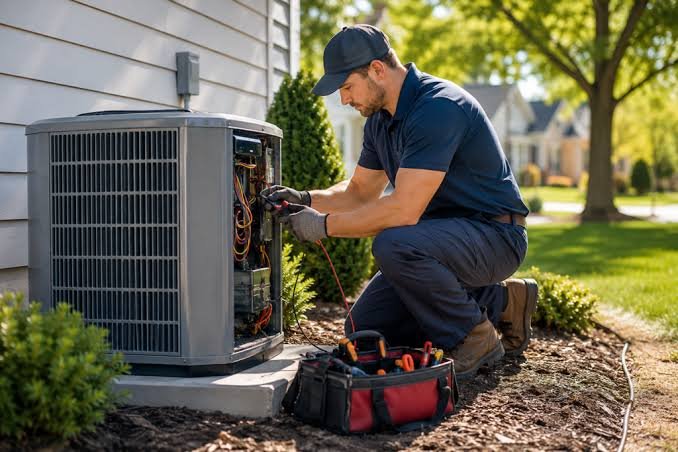
    If replacement becomes the better option, professional a/c replacement services can make the process much less stressful.

    A good contractor should evaluate the property before recommending equipment. Home size, insulation, windows, ductwork, local climate, occupancy, and existing HVAC configuration can all influence the appropriate system size.

    Bigger isn’t automatically better.

    An oversized air conditioner can cycle too frequently, while an undersized unit may run constantly during extreme weather.

    Professional installation also matters. Refrigerant connections, electrical components, airflow, drainage, thermostat controls, and system commissioning all need to be handled correctly.

    The quality of the installation can have a major effect on how well the new equipment performs.

    Don’t Choose a Replacement Based Only on Price

    It’s understandable to compare quotes and look for a good deal.

    But the lowest initial price isn’t always the lowest overall cost.

    Consider equipment efficiency, warranty coverage, installation quality, maintenance requirements, expected lifespan, and operating costs.

    A slightly more expensive system may provide better long-term value if it’s properly sized and more efficient.

    At the same time, don’t assume the most expensive equipment is automatically the best choice. The right system should match the actual needs of the property.

    Think About the Whole HVAC System

    Replacing the outdoor air conditioner may not solve every comfort problem.

    If ductwork is damaged or poorly insulated, conditioned air can still be lost. If the air handler is struggling, airflow may remain inconsistent. If the home has significant air leaks, the new system may have to work harder than necessary.

    That’s why a replacement assessment should consider the complete cooling system.

    Sometimes improving insulation or repairing ductwork alongside the new equipment can make a noticeable difference.

    Maintenance Doesn’t End After Replacement

    A new air conditioner still needs attention.

    Filters should be replaced as recommended. Outdoor equipment should remain clear of leaves and debris. Professional maintenance can help inspect coils, electrical connections, drainage, airflow, and other components.

    Regular care can also help identify small problems before they become expensive repairs.

    Think of it as protecting the investment you just made.

    Plan Before the System Completely Fails

    If your air conditioner is already showing signs of age, don’t wait until the hottest day of the year to start thinking about replacement.

    Planning ahead gives you time to research contractors, compare equipment, ask questions, and understand the total cost.

    More importantly, you get to make the decision calmly instead of under pressure.

    A Better Cooling System Can Bring Back Peace of Mind

    Frequent repairs and inconsistent temperatures can turn something as simple as staying cool into a constant headache.

    If your air conditioner is struggling, start by finding out why. It may need a straightforward repair. Or it may be telling you that its working life is coming to an end.

    With the right assessment, proper equipment selection, and quality installation, replacing an aging system can restore reliable comfort and reduce the worry of wondering when the next breakdown will happen.

    Sometimes the smartest HVAC decision isn’t fixing the same problem one more time. It’s choosing a better path forward.

  • When Your Water Needs More Than a Quick Fix

    When Your Water Needs More Than a Quick Fix

    Clean, reliable water is one of those things most homeowners barely think about—until something changes. Maybe the water suddenly tastes strange. Perhaps there’s a metallic smell, cloudy appearance, or stubborn buildup around faucets and showerheads. If you rely on a private well, the questions can be even bigger because your water quality can shift with weather, groundwater conditions, plumbing changes, and time.

    That’s why solving a water problem shouldn’t start with buying the first filter you see online. It should start with understanding what’s actually in your water.

    A thoughtful approach to water treatment combines testing, practical advice, the right equipment, and proper maintenance. It’s less about chasing the latest gadget and more about finding a solution that makes sense for your home.

    Start With the Water, Not the Equipment

    It’s tempting to assume you know what’s wrong. Hard water? Get a softener. Bad taste? Buy a carbon filter. Well water? Install a whole-house filtration system.

    Sometimes those solutions work. Sometimes they don’t.

    Water quality problems can have surprisingly different causes. Hardness may come from calcium and magnesium. A rotten-egg smell may point toward hydrogen sulfide. Sediment can affect clarity, while certain plumbing materials may contribute unwanted metals. Municipal water can also contain disinfectants that affect taste and odor.

    This is where in-home or well water testing becomes genuinely useful. Testing provides a clearer picture of the water instead of relying on guesswork. For homeowners with wells especially, regular testing is an important part of understanding changes in water quality.

    And there’s a practical benefit, too: you may avoid spending money on equipment you simply don’t need.

    Why Water Problems Can Be Hard to Diagnose

    Water doesn’t always announce its problems in obvious ways.

    A glass of water might look perfectly clear while still containing minerals or other contaminants that affect taste, plumbing, or long-term usability. On the other hand, visible staining doesn’t necessarily tell you exactly which treatment technology will solve it.

    That’s why water treatment is rarely a one-size-fits-all situation.

    For example, two houses on the same street can have noticeably different water conditions. One might struggle primarily with hardness, while another has sediment, iron, or an unpleasant odor. Homes using private wells can see even greater variation.

    The source of the water matters. So does the plumbing. Household size matters. Daily water consumption matters. Even the homeowner’s priorities matter.

    Some people mainly want better-tasting drinking water. Others want to protect appliances, reduce scale, improve bathing water, or treat water throughout the entire house.

    Good treatment begins by asking those questions.

    The Right System Should Fit Your Home

    Once water quality is understood, the next step is deciding what kind of treatment makes sense.

    A point-of-use filter might be enough if the concern is limited to drinking and cooking water. A whole-home system may be more appropriate when water quality affects showers, laundry, appliances, and other fixtures.

    There are also different technologies designed for different problems. Water softeners are commonly used for hardness. Carbon filtration can help with certain tastes and odors. Sediment filtration can capture suspended particles. Reverse osmosis systems are often used at specific points in the home for additional purification.

    The important thing is matching the technology to the actual problem.

    That’s where custom system recommendations can make a noticeable difference. Instead of forcing every household into the same setup, a customized approach considers the test results, water usage, available space, plumbing configuration, and household goals.

    It may sound less exciting than buying a shiny new system, but it’s usually the smarter path.

    Installation Matters More Than People Think

    Even a high-quality water treatment system can perform poorly when it’s installed incorrectly.

    Connections need to be secure. Flow direction matters. Drain lines, pressure requirements, bypass valves, and plumbing configurations all need to be considered. A system also needs enough room for maintenance and future servicing.

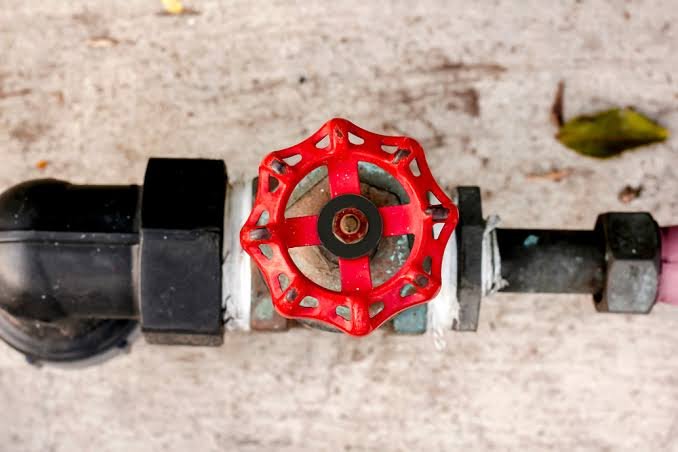
    These details aren’t particularly glamorous. Nobody takes a photo of a perfectly installed shutoff valve and posts it on social media. But they matter.

    Professional installation can also help reduce the risk of leaks, poor system performance, or unnecessary wear. For homeowners unfamiliar with plumbing, having someone who understands both water treatment and installation can save a lot of frustration.

    Just as importantly, good service shouldn’t end the moment the equipment is switched on. Expert installation & ongoing support can help homeowners understand how their system works, when maintenance is needed, and what to watch for as water conditions change.

    That continued support is especially useful for well owners, since groundwater quality isn’t necessarily static.

    Don’t Forget About Maintenance

    A water treatment system isn’t something you install and forget about forever.

    Filters eventually become saturated. Softener components may need attention. Tanks and other equipment can require inspection. If maintenance is neglected, performance can gradually decline without the homeowner immediately realizing it.

    A simple maintenance routine can go a long way.

    Keep track of filter replacement dates. Pay attention to changes in taste, odor, pressure, or water appearance. If your system has specific service requirements, follow the manufacturer’s recommendations rather than waiting until something stops working.

    For private wells, periodic water testing is equally important. A test from several years ago tells you what the water looked like then—not necessarily what it looks like today.

    Think About the Whole Household

    Water quality affects more than the glass sitting on your kitchen counter.

    Hard water can leave mineral deposits on fixtures and appliances. Sediment may affect plumbing components. Unpleasant odors can make showers and cooking less enjoyable. Certain water issues may also influence laundry and cleaning.

    This is why it helps to look at water treatment as part of home maintenance rather than a standalone purchase.

    Consider where the problem appears. Is it only at one faucet? Does every shower have the same issue? Does the water change after heavy rain? Are certain appliances showing buildup?

    Those observations can provide useful clues.

    And if you’re unsure, ask questions. A reputable water professional should be willing to explain the problem in plain language—not bury you under technical terms or pressure you into buying equipment immediately.

    Better Water Starts With Better Information

    There’s no universal “best” water filtration system for every home. The right answer depends on the water itself and what you want the system to accomplish.

    That’s really the heart of the matter.

    Test first. Understand the results. Consider your household’s needs. Choose treatment technology based on evidence rather than assumptions, and make sure the installation and maintenance plan are just as thoughtful as the equipment itself.

    For homeowners dealing with strange tastes, hard water, odors, sediment, or changing well-water conditions, taking a measured approach can turn a frustrating problem into something much more manageable.

    Clean water shouldn’t feel complicated. With the right information and a solution designed around your home, it doesn’t have to be.

  • How Smart Water Protection Can Help Prevent Small Leaks From Becoming Big Problems

    How Smart Water Protection Can Help Prevent Small Leaks From Becoming Big Problems

    Most homeowners don’t spend much time thinking about their plumbing. Water goes into the pipes, comes out of the tap, and everything works as expected. That quiet reliability is great — until something breaks.

    A leaking pipe, failed appliance connection, or frozen water line can turn into a serious household problem surprisingly quickly. The frustrating part is that many leaks begin when nobody is around to notice them. A smart water protection system can’t prevent every plumbing failure, but it can monitor what’s happening and give homeowners a chance to respond earlier.

    That little bit of extra time can matter more than you’d think.

    Why Early Leak Detection Matters

    A small leak might not look particularly dangerous at first. A few drops under a sink, a toilet that runs occasionally, or moisture near a washing machine can seem like minor inconveniences.

    But water has a habit of finding its way into places you can’t see. It can seep beneath flooring, behind cabinets, or into wall cavities. Once moisture remains trapped, repairs can become much more complicated.

    Modern monitoring technology aims to identify unusual water activity before the damage becomes obvious.

    Instead of waiting for a stain on the ceiling or an unexpectedly high utility bill, homeowners can receive information when the system notices something outside normal patterns.

    How Automatic Shutoff Helps

    One of the most useful features of connected water protection is automatic shutoff. If the system detects a potentially serious flow event, it may be able to close the main water valve.

    In practical terms, an auto shutoff mitigates damage by limiting how much water can continue entering the plumbing system after a major leak begins.

    Imagine a supply line failing while you’re away at work. Without someone nearby, water could keep flowing for hours. An automatic valve may stop the supply much sooner.

    It isn’t a guarantee against damage, and systems can have limitations. But reducing the volume and duration of escaping water can make a meaningful difference.

    Getting Alerts When Something Looks Wrong

    Not every unusual flow event is an emergency. Someone may be filling a bathtub, running an irrigation system, or using several appliances at once.

    That’s why smart monitoring systems don’t simply react to every change. They can analyze patterns and compare current activity with what normally happens in the home.

    The benefit is that homeowners can get alerted to leaks or unusual water behavior without having to constantly watch a meter.

    A notification on a phone can be especially useful when you’re traveling. Instead of discovering a plumbing problem when you return home, you may have an opportunity to call someone, investigate remotely, or shut off the water.

    What About Frozen Pipes?

    Winter weather creates a different kind of plumbing risk.

    When temperatures fall sharply, water inside exposed pipes can freeze and expand. That pressure can damage or rupture the pipe. The actual leak may not become obvious until the ice begins to thaw.

    This is where frozen pipe detection can provide another layer of awareness. Depending on the technology used, sensors may monitor temperature conditions in vulnerable areas and alert homeowners when conditions become risky.

    A smart alert doesn’t physically prevent freezing, of course. But knowing that a pipe is approaching a dangerous temperature can give you time to take action.

    Insulating exposed pipes, maintaining suitable indoor temperatures, and protecting vulnerable areas remain essential.

    Why Vacation Homes Can Benefit

    A home that’s occupied every day has a natural advantage: someone is usually around to notice something unusual.

    Vacation properties don’t have that luxury.

    A burst pipe in an empty home can continue leaking until a neighbor, property manager, or returning owner discovers it. By then, the amount of water released may be substantial.

    Remote monitoring can provide reassurance while you’re away. If a system detects unusual activity, you may be able to respond before the situation becomes much worse.

    For frequently unoccupied properties, this can be one of the more practical uses of smart water technology.

    Smart Monitoring Can Also Help With Water Conservation

    Leak protection isn’t the only benefit.

    Continuous water monitoring can reveal consumption patterns that aren’t obvious from a monthly bill. You might discover that irrigation uses more water than expected or that an older toilet is constantly drawing small amounts.

    These small patterns can add up.

    Once you know where water is going, it’s easier to decide what needs changing. Sometimes the solution is a simple repair. Other times, adjusting irrigation schedules or replacing an inefficient fixture can reduce consumption.

    The technology doesn’t conserve water by itself. It simply makes the invisible more visible.

    Installation Is Worth Thinking About Carefully

    Before installing a smart water protection device, homeowners should check the plumbing configuration and installation requirements.

    Some systems are installed directly on the main water line. Depending on the property, professional plumbing work may be necessary. Pipe size, valve location, power supply, Wi-Fi coverage, and local plumbing conditions can all affect installation.

    It’s better to spend a little time checking compatibility than to discover after purchase that the device doesn’t fit your setup.

    What Smart Systems Can’t Do

    It’s easy to get carried away with connected-home technology, but these devices aren’t magic.

    A smart water monitor can’t repair a corroded pipe. It can’t replace old plumbing, prevent every leak, or guarantee that a frozen pipe won’t burst.

    Sensors can also experience power, connectivity, or equipment issues.

    That’s why traditional maintenance still matters. Inspect exposed pipes, check appliance hoses, maintain water heaters, and address small leaks promptly.

    Technology works best as an additional layer of protection rather than a replacement for basic care.

    The Value of Acting Earlier

    The biggest advantage of smart water protection isn’t really the technology itself. It’s the opportunity to know sooner.

    A leak that is discovered quickly may require a relatively simple repair. The same leak left unnoticed for hours or days can create much more complicated consequences.

    Automatic shutoff, remote notifications, temperature monitoring, and usage tracking all work toward the same basic goal: reducing the time between a plumbing problem beginning and someone responding to it.

    That’s a pretty sensible goal.

    A More Prepared Home

    No homeowner can predict exactly when a pipe will fail. Plumbing systems age, weather changes, appliances wear out, and sometimes things simply go wrong.

    But preparation can change how a household responds.

    Smart water monitoring can provide another set of eyes on the plumbing system, especially when nobody is home. Combined with regular maintenance and sensible precautions, it can help homeowners catch unusual water activity earlier and potentially limit the consequences.

    In the end, the smartest water-protection system isn’t about turning your house into a futuristic laboratory. It’s about something much simpler: knowing when water is behaving strangely, having a chance to respond, and avoiding a preventable headache whenever possible.

  • Why Understanding Your Home’s Water Can Make Everyday Life Better

    Why Understanding Your Home’s Water Can Make Everyday Life Better

    There’s something comforting about turning on the tap and expecting clean, fresh water every single time. Most of us rarely stop to think about it until something changes. Maybe the water starts tasting a little metallic, leaves white spots on dishes, or carries an odd smell that wasn’t there before. Small signs like these are easy to ignore, but they often tell a bigger story about what’s flowing through your home’s plumbing.

    The truth is, water quality isn’t the same everywhere. Even neighbouring communities can have very different water characteristics depending on local infrastructure, natural minerals, groundwater conditions, or seasonal changes. That’s why taking the time to understand your water isn’t just about convenience—it’s about protecting your home, your appliances, and the people who rely on that water every day.

    Why Water Quality Deserves More Attention

    Water touches almost every part of daily life. We drink it, cook with it, wash clothes, shower, water gardens, and even make coffee with it. When the quality isn’t ideal, the effects often appear in places we don’t immediately connect to our water supply.

    Hard water, for example, slowly builds mineral deposits inside pipes and household appliances. Chlorine may leave an unpleasant taste, while sediment can reduce the efficiency of fixtures over time. Some households experience staining around sinks or notice soap doesn’t lather quite the way it should.

    None of these issues automatically mean the water is unsafe, but they do suggest it’s worth learning more about what’s actually present in your supply.

    Every Home Has Different Water Challenges

    One common misconception is that one filtration system works for everyone. In reality, water conditions vary significantly between homes, even within the same town.

    A family using municipal water may mainly want to reduce chlorine taste and odour, while someone relying on a private well could be dealing with iron, sulfur, manganese, or naturally occurring minerals. That’s why professionals usually recommend expert water testing before suggesting any treatment equipment.

    Testing provides a clear picture instead of relying on assumptions. Rather than buying equipment based on advertising claims, homeowners can make informed decisions backed by actual water analysis.

    Looking Beyond Taste and Appearance

    Clear water doesn’t always mean perfect water, and cloudy water doesn’t necessarily indicate something dangerous. Appearance tells only part of the story.

    Many dissolved minerals are completely invisible. Likewise, certain contaminants cannot be detected by taste or smell alone. That’s why laboratory analysis or professional testing often reveals information that can’t be observed with the naked eye.

    Understanding those details helps avoid unnecessary expenses. Some homeowners spend money replacing perfectly good filtration systems when the actual issue lies elsewhere. Others install equipment that addresses one concern while leaving the real problem untouched.

    Knowledge, in this case, saves both money and frustration.

    Choosing the Right Treatment Instead of the Most Expensive One

    It’s surprisingly easy to become overwhelmed when researching water filtration. There are water softeners, carbon filters, reverse osmosis units, UV purification systems, sediment filters, and whole-house treatment setups. Each serves a different purpose.

    The goal shouldn’t be buying the largest or most expensive system available. It should be selecting equipment that addresses your home’s specific water conditions.

    Good water quality solutions are tailored rather than generic. A household dealing with hard water needs something very different from one trying to improve drinking water taste or remove certain dissolved substances.

    This personalised approach usually delivers better long-term results while avoiding unnecessary maintenance costs.

    The Hidden Benefits Throughout Your Home

    People often install treatment systems because they want better drinking water, but many discover unexpected improvements elsewhere.

    Soap begins to rinse away more easily. Towels feel softer. Glass shower doors stay cleaner for longer. Coffee and tea often taste noticeably different. Even hot water heaters and washing machines may operate more efficiently when mineral buildup is reduced.

    These aren’t dramatic overnight transformations. They’re gradual improvements that become part of everyday life until you almost forget what things used to be like.

    Visitors might even comment on how pleasant the water tastes without realising anything has changed.

    Regular Monitoring Matters More Than Many Realise

    Water isn’t static. Local conditions change over time due to infrastructure maintenance, seasonal rainfall, groundwater movement, and municipal treatment adjustments.

    That’s one reason periodic testing remains valuable even after installing filtration equipment.

    Filters eventually reach the end of their useful life, and treatment systems require occasional maintenance to continue performing effectively. Ignoring service schedules can reduce performance without obvious warning signs.

    Checking water quality every so often helps ensure everything continues working as intended rather than simply assuming the system is still operating at peak efficiency.

    Health Starts with Everyday Habits

    People often think about healthy eating, exercise, and better sleep, but the quality of everyday drinking water deserves a place in that conversation too.

    Having access to healthier drinking water gives families greater confidence in something they consume countless times every day. Whether filling a reusable bottle before work, preparing baby formula, cooking pasta, or making morning coffee, reliable water quality becomes one less thing to worry about.

    That peace of mind is difficult to measure, yet it often becomes one of the most appreciated benefits after improving household water.

    Small Decisions Today Can Prevent Bigger Problems Tomorrow

    Waiting until water problems become obvious isn’t always the best strategy. Mineral buildup, appliance wear, and plumbing issues often develop slowly over months or years.

    Being proactive doesn’t necessarily mean investing in complicated equipment immediately. Sometimes it simply starts with understanding what’s in your water.

    Once you know the facts, decisions become much easier. You can prioritise improvements, budget appropriately, and choose solutions that genuinely match your household’s needs instead of guessing.

    In many ways, water treatment is less about fixing problems and more about preventing them before they become expensive repairs.

    Final Thoughts

    Clean water often fades into the background because it’s something we expect every day. Yet the quality of that water influences countless small moments—from brushing your teeth in the morning to washing vegetables for dinner and ending the day with a warm shower.

    Taking the time to learn about your home’s water isn’t just another household project. It’s an investment in comfort, efficiency, and long-term confidence. A little curiosity today can lead to smarter choices tomorrow, helping protect both your home and the people living in it.

    The best water solution isn’t necessarily the newest or the most expensive one. It’s simply the one that’s built around your home’s unique needs, backed by accurate information, and maintained with care. When those pieces come together, good water becomes something you notice less—and that’s probably the biggest compliment any water system can receive.