Factories rely on steady, controllable heat to shape materials, cure coatings, and maintain precise production conditions. Behind many of these processes sits a simple yet powerful device designed to deliver concentrated thermal energy exactly where it is needed. Strip heaters remain a trusted solution in industrial environments because they combine straightforward design with dependable performance.
Conversion of Electrical Energy into Thermal Resistance
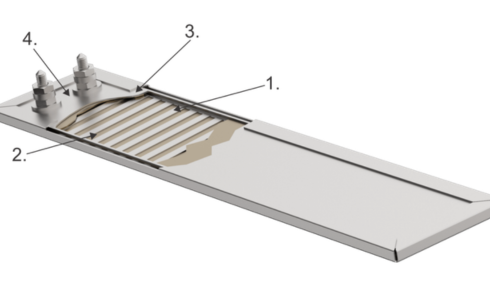
At the core of strip heaters lies a resistance wire engineered to convert electrical energy into heat. As electricity flows through the heater elements, resistance within the wire produces thermal energy. This conversion follows a predictable physical principle: the higher the resistance, the more heat is generated. By carefully selecting the resistance material, manufacturers ensure consistent output under demanding conditions. The design of an industrial heater often centers on this resistance principle. High-quality alloys are chosen to withstand repeated heating cycles without degrading. This stability allows strip heaters to operate for long periods while maintaining steady performance. Efficient energy conversion supports precise temperature control in manufacturing settings where consistency matters.
Uniform Heat Distribution Through Internal Mineral Insulation
Inside many strip heaters, layers of mineral insulation surround the resistance wire. This insulation serves two functions: it electrically isolates the heating element and spreads heat evenly across the surface. Even distribution prevents hot spots that could damage materials or reduce efficiency. Balanced internal construction supports reliable performance. By maintaining consistent contact between insulation and heater elements, heat flows outward in a controlled manner. This uniformity ensures that the industrial heater warms surfaces or air chambers evenly, which improves product quality and process accuracy.
Direct Conduction via Clamped Surface Contact
Strip heaters frequently attach directly to metal surfaces such as dies, platens, or tanks. Clamping the heater tightly against a flat surface enables heat to transfer through direct conduction. This close contact minimizes heat loss and maximizes energy efficiency.
Once secured, the industrial heater becomes an extension of the heated equipment. The metal surface absorbs thermal energy and distributes it further into the system. Proper installation ensures strong contact, which significantly influences overall performance.
Convective Air Heating in Enclosed Industrial Chambers
Beyond direct contact applications, strip heaters can warm air inside enclosed chambers. In ovens or drying cabinets, heater elements raise the temperature of surrounding air, which then circulates and transfers heat through convection.
Air movement spreads thermal energy throughout the chamber. By positioning strip heaters strategically, manufacturers create controlled airflow patterns. This approach supports consistent curing, drying, or preheating processes without uneven temperature zones.
Regulated Thermal Output via External Thermostatic Controls
Temperature regulation plays a key role in industrial heating. External thermostatic controls connect to strip heaters and adjust power flow based on real-time temperature readings. This feedback system prevents overheating and maintains stable conditions.
Accurate regulation protects both materials and equipment. A properly configured industrial heater responds quickly to changes in demand. Controls ensure the heater elements operate within safe ranges while delivering the precise heat required.
Rapid Heat-Up Cycles Facilitated by High-Grade Alloys
High-grade resistance alloys allow strip heaters to reach operating temperature quickly. Fast heat-up cycles reduce waiting time during production startup. This efficiency improves workflow and minimizes downtime between batches.
Advanced alloys maintain structural integrity even after repeated expansion and contraction. Quick response combined with durability makes these heater elements reliable for processes requiring rapid temperature adjustments.
Structural Protection Provided by Stainless Steel or Chrome Sheaths
External sheaths shield strip heaters from mechanical damage and environmental exposure. Stainless steel or chrome-plated surfaces resist corrosion and wear, especially in demanding manufacturing environments.
Protective coverings extend service life. The sheath also provides a stable mounting surface for clamps or fasteners. A well-designed industrial heater balances internal performance with external durability to handle daily use.
High-Temperature Operation in Heavy-Duty Manufacturing Zones
Many industrial processes require sustained high temperatures. Strip heaters are built to operate reliably in elevated heat conditions without losing efficiency. Their design supports continuous output in heavy-duty environments.
Material selection determines temperature tolerance. Heater elements and insulation must withstand thermal stress without breakdown. Proper engineering ensures the industrial heater maintains consistent performance even in intense manufacturing zones.
Targeted Thermal Transfer for Moisture Control and Condensation Prevention
In certain applications, strip heaters help control moisture buildup. By applying controlled heat to surfaces, they prevent condensation from forming on equipment. This targeted thermal transfer protects sensitive components from corrosion or damage.
Moisture control supports equipment longevity and product integrity. Strategic placement of strip heaters in enclosures or along piping systems reduces the risk of unwanted condensation. Focused heating maintains stable environmental conditions where precision matters.
Thermal Corporation manufactures strip heaters and industrial heater solutions engineered for demanding production environments. Their knowledge of resistance alloys, insulation layering, and protective sheathing contributes to dependable thermal output across varied applications. By tailoring each system to specific operating conditions, they support steady heat control and long-lasting equipment performance.