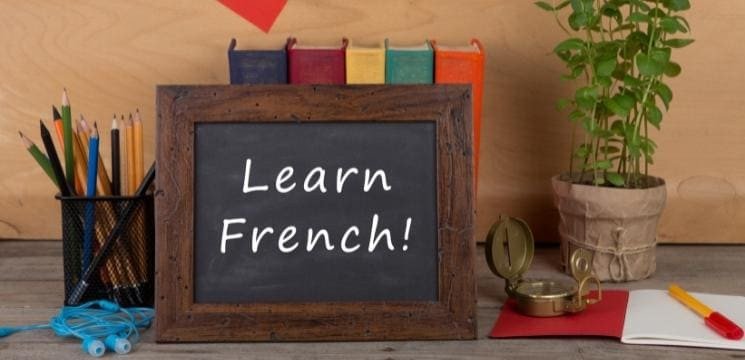
Learning a new language is often seen as a skill, but in reality, it feels more like a personal transformation. It slowly changes the way you think, communicate, and even observe the world around you. Among the many languages people choose today, French continues to be one of the most popular choices—not only because of its global importance but also because of its cultural richness and elegant structure.
When someone begins learning French, the first reaction is usually a mix of curiosity and hesitation. The language sounds beautiful but slightly unfamiliar. Pronunciation can feel challenging at the beginning, especially because French has silent letters and unique sounds that don’t exist in many other languages. However, what feels difficult in the beginning gradually becomes natural with practice and exposure.
One of the most interesting parts of learning French is how quickly you start noticing patterns. At first, it feels like memorizing random words, but soon your brain begins to connect meanings automatically. Simple phrases start making sense, and you begin to understand basic conversations without needing constant translation. This shift is subtle but extremely motivating.
French is also widely spoken across the world, not just in France. It is used in several countries across Europe, Africa, and North America. This makes it a valuable language for travel, education, and career opportunities. Many international organizations also use French as an official language, which adds to its importance in global communication.
However, consistency is the real key when it comes to mastering any language. Many learners start with strong enthusiasm but lose momentum after a few weeks. The most effective approach is not intensity, but regularity. Even a small daily practice session can create long-term progress. The goal should not be perfection but steady improvement.
Another helpful approach is mixing different learning methods. Relying only on textbooks or apps can make the process feel mechanical. Instead, combining multiple resources like videos, music, podcasts, and real-life conversations makes the experience more engaging. When you hear French in different contexts, your understanding deepens naturally without forcing memorization.
Mistakes are also an essential part of the journey. Many learners hesitate to speak because they fear making errors. But mistakes are actually the fastest way to improve. Every incorrect sentence teaches you something new. Over time, this builds confidence and reduces hesitation. Speaking fluently is not about being perfect—it is about being comfortable with imperfection.
The beauty of French lies in its flow and rhythm. It has a certain softness that makes conversations feel expressive and emotional. As learners progress, they begin to appreciate not just the meaning of words but also the tone and feeling behind them. This deeper understanding is what makes language learning truly rewarding.
In the long run, learning a language is not just about communication. It also improves cognitive skills, memory, and focus. It opens up opportunities to connect with new people and understand different cultures in a more meaningful way. The process may take time, but every step adds value.
Ultimately, starting the journey of learning French is less about reaching a destination and more about enjoying the process itself. With patience, consistency, and curiosity, anyone can gradually develop fluency and confidence. The key is to stay engaged, stay curious, and keep moving forward—even when progress feels slow.